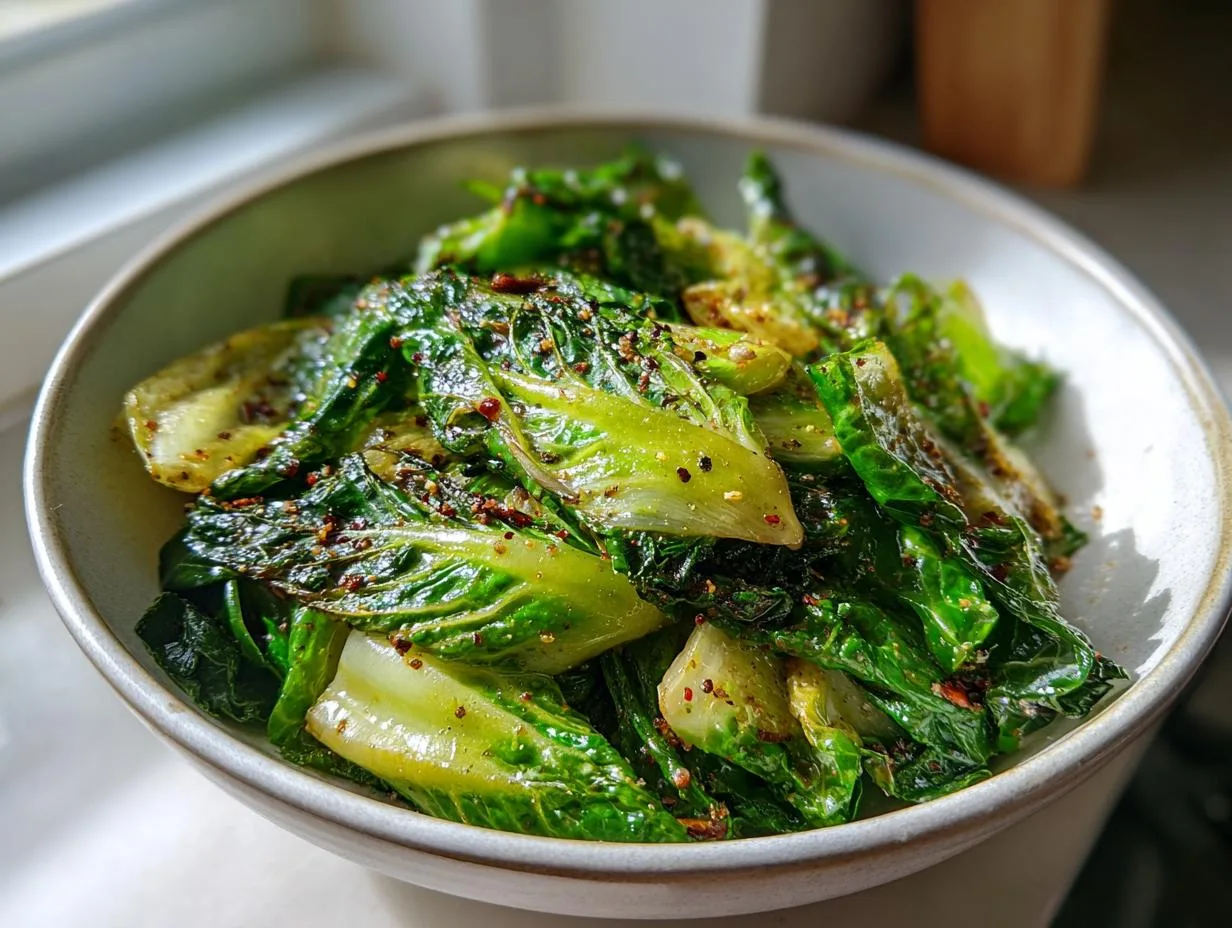
Unlock a culinary secret that has graced Southern tables for generations: the unassuming yet incredibly delicious dish of fried cabbage. Far from being just a simple vegetable side, perfectly cooked fried cabbage transforms humble ingredients into a symphony of savory, smoky, and subtly sweet flavors. Whether you're a long-time fan or a curious newcomer, mastering this dish means adding a versatile, satisfying, and utterly irresistible option to your meal rotation. Forget everything you thought you knew about bland boiled cabbage – we're about to dive into the art of making it truly shine.
The Humble Heart of Southern Comfort: Why Fried Cabbage Reigns Supreme
In the realm of comfort food, few dishes offer such an impressive flavor-to-effort ratio as fried cabbage. It's a testament to the power of simple, honest ingredients, elevated through thoughtful preparation. This isn't just a side dish; it's a culinary hug, a staple that conjures images of cozy family dinners and hearty gatherings. Its enduring popularity stems from its incredible versatility, pairing seamlessly with nearly any main course, from a juicy roast chicken to savory pork chops or even a classic corned beef. Beyond its adaptability, the magic of fried cabbage lies in its remarkable transformation. What begins as a firm, peppery vegetable emerges from the skillet tender, mellow, and infused with an intoxicating depth of flavor that can convert even the most ardent cabbage skeptics. For a quick and easy take on this classic, check out our guide to Quick & Easy Fried Cabbage: The Ultimate Bacon-Infused Side.
Crafting Flavor: Essential Ingredients & Smart Choices
The secret to exceptional fried cabbage lies not in exotic ingredients, but in understanding and optimizing the foundational components. Each element plays a crucial role in building the dish's signature profile.
Cabbage: The Unsung Hero
- Green Cabbage is King: While other varieties exist, basic green cabbage is the undisputed star for this dish. Its hearty texture holds up beautifully to cooking, and the heat of the frying process miraculously transforms its robust, sometimes peppery flavor into a mellow, sweet delight.
- Whole Head, Always: This is a non-negotiable insider tip. While pre-shredded bagged cabbage might seem like a time-saver, it's often too finely cut and lacks the structural integrity needed for frying. It cooks down far too quickly, often turning mushy before it develops that desirable tenderness. Invest a few extra minutes in chopping a whole head; it's easier than you think and yields vastly superior results. Aim for roughly 1/2 to 3/4-inch strips or squares.
- The Core Conundrum: If you've ever found yourself nibbling on the raw cabbage core, you're not alone! While the outer, tougher part of the core is typically discarded, the inner, more tender section offers a delightful crunch and a subtle sweetness. Don't be afraid to give it a taste – sometimes it even has a surprising hint of peppery heat.
Bacon: The Golden Standard
- Thick-Cut for Texture: Bacon isn't just a flavor enhancer here; it's a texture provider. Opt for thick-cut bacon, which offers a satisfyingly meaty chew even after being rendered crisp.
- The Art of Rendering Fat: The bacon fat is truly "liquid gold." It's the primary cooking medium that infuses the cabbage with its signature smoky richness. To extract maximum fat and achieve perfectly crispy bacon, start it in a cold, heavy skillet (cast iron is ideal) over medium heat. This gradual heating allows the fat to render slowly and thoroughly, resulting in crispier bacon and a generous pool of flavorful fat. Cook until crisp, then remove the bacon with a slotted spoon, leaving the precious fat behind.
- Vegetarian Alternative: For a meat-free version, simply omit the bacon and use 2-3 tablespoons of olive oil or another high-heat cooking oil. Be sure to compensate for the lost savory and smoky notes by increasing the salt and perhaps adding a pinch of smoked paprika.
Aromatic Allies: Onion & Beyond
- Yellow Onion for Depth: A good yellow onion provides a sweet-savory foundation. Cook it gently in the bacon fat until it's soft and translucent, but not browned, to bring out its natural sweetness and contribute a lovely aromatic backdrop.
- Chicken Broth for Flavor Boost: A splash of chicken broth (or vegetable broth for a vegetarian option) adds moisture, helps the cabbage cook down evenly, and introduces an extra layer of savory depth, ensuring the dish isn't dry.
- Brown Sugar's Secret: A small amount of brown sugar might seem unusual, but it's a brilliant addition. It contributes a rich, caramel-like sweetness that beautifully balances the smoky bacon and enhances the natural sweetness of the cooked cabbage, adding wonderful depth.
- Salt & Pepper: These humble seasonings are vital. Taste as you go, adjusting to bring all the flavors into harmony.
The Art of the Fry: Step-by-Step Mastery
Beyond just a list of ingredients, the technique behind cooking fried cabbage is what truly elevates it. Here's how to achieve perfection every time.
Step 1: The Perfect Bacon Crisp
Begin by cutting your thick-cut bacon into 1/2 to 1-inch pieces. Place them in a large, cold, heavy-bottomed skillet – a cast iron pan is highly recommended for its even heat distribution. Place the skillet over medium heat and cook the bacon slowly, stirring occasionally, until it's beautifully crisp and all the fat has rendered out. This process typically takes 5-7 minutes. Once crisp, use a slotted spoon to transfer the bacon pieces to a paper towel-lined plate, reserving all that glorious bacon fat in the skillet. This method ensures maximum flavor extraction and perfectly crispy bits for later.
Step 2: Building the Flavor Base
With the bacon fat shimmering in the pan, add your chopped yellow onion. Sauté the onion over medium heat, stirring frequently, until it softens and becomes translucent – about 3-5 minutes. You're aiming for tenderness, not browning, to preserve its natural sweetness. If you're adding garlic, this is the perfect time to toss it in and cook for another minute until fragrant.
Step 3: Transforming the Cabbage
Now, it's time for the star. Add your freshly chopped green cabbage to the skillet. It will seem like an enormous amount, but trust the process – it will cook down significantly. Stir the cabbage to coat it evenly with the bacon fat and onions. Pour in the chicken broth, then stir in the brown sugar, salt, and freshly ground black pepper. Bring the mixture to a gentle simmer, then reduce the heat to medium-low, cover the skillet, and let it cook. The cooking time is flexible and personal: for cabbage with a bit more texture and bite, cook for 8-10 minutes. If you prefer it super tender and meltingly soft, cook for 15-20 minutes or even longer, stirring occasionally. The key is to taste a bite every few minutes and cook it until it reaches your desired consistency. For an even more in-depth exploration of how to make your fried cabbage irresistible, take a look at our Best Fried Cabbage Recipe: Convert Haters with Bacon & Sweetness.
Step 4: Finishing Touches
Once the cabbage has reached your preferred tenderness, remove the lid and increase the heat slightly to allow any excess liquid to evaporate, if desired. Stir in the reserved crispy bacon pieces. Taste and adjust the seasoning one last time. A splash of apple cider vinegar at the very end can add a bright, tangy finish that cuts through the richness beautifully.
Elevating Your Fried Cabbage: Tips, Tricks & Variations
While the basic fried cabbage recipe is fantastic on its own, a few extra touches and variations can make it truly extraordinary.
- Spice It Up: For a subtle kick, add a pinch of red pepper flakes along with the onions. For a deeper, smoky flavor, smoked paprika works wonders.
- Herbaceous Notes: Fresh thyme or a sprinkle of dried dill can add an aromatic dimension that complements the cabbage beautifully.
- A Touch of Tang: As mentioned, a tablespoon of apple cider vinegar or even a squeeze of fresh lemon juice at the end can brighten the entire dish, providing a lovely contrast to the savory elements.
- Make it a Meal: While an excellent side, you can transform fried cabbage into a light main dish by adding cooked sausage (kielbasa, bratwurst), diced ham, or even chickpeas for a vegetarian option.
- Serving Suggestions: Beyond the obvious, fried cabbage is phenomenal with grilled steak, roasted chicken, or even as a hearty breakfast side alongside eggs and toast. Don't underestimate its ability to elevate a simple weeknight meal into something special.
- Troubleshooting:
- Too Watery? If your cabbage seems overly wet, simply remove the lid and continue to cook it over slightly higher heat, stirring frequently, until the excess liquid evaporates.
- Not Tender Enough? If you prefer very tender cabbage, don't be afraid to cook it longer, adding a splash more broth or water if it starts to dry out.
- Lacking Flavor? A common mistake is under-seasoning. Taste and adjust! A pinch more salt, a grind of fresh pepper, or even an extra splash of broth can make all the difference.
Mastering fried cabbage is about more than just following a recipe; it's about understanding the synergy of ingredients and the transformative power of a hot skillet. This versatile, flavorful, and incredibly satisfying dish is a cornerstone of comfort food for good reason. With these insider tips and a little practice, you'll be creating a perfect savory side that will delight your taste buds and impress your guests, ensuring fried cabbage earns its rightful place in your culinary repertoire for years to come.
